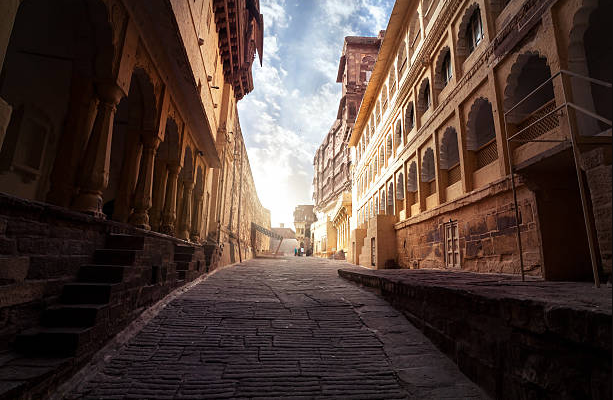
When we think of a city, towering skyscrapers and bustling markets often come to mind, but it is the street that truly forms the heartbeat of urban life. Streets are more than just passageways connecting one place to another—they are vibrant ecosystems, storytelling corridors, and public stages where the everyday drama of human existence unfolds. From the busy avenues of New York to the narrow alleys of old European towns, streets define the soul of a city.
The Social Stage
A street is where life happens outside the confines of home and work. It’s a place of unexpected encounters and diverse communities. Vendors set up stalls, children play games, street performers dazzle passersby, and neighbors gather for quick chats. This melting pot of interactions fosters a sense of belonging and community that no other urban space can replicate. In fact, sociologists often refer to the street as the “outdoor living room”—a space where people share stories, ideas, and even disagreements, all adding to the vibrancy of city life.
The Canvas of Culture
Walk down any street, and you’ll find traces of history and culture imprinted on its surface. Murals and graffiti transform drab walls into expressions of resistance, hope, or celebration. Festivals spill onto the roads, with processions and parades transforming the everyday landscape into something magical. Street food vendors offer a culinary adventure, representing the city’s flavors in portable, affordable packages. Whether it’s the aroma of roasted chestnuts in winter or the spicy tang of chaats in India, the street is a sensory journey.
Economic Lifelines
Streets are also economic arteries, supporting countless livelihoods. Small businesses, pop-up shops, and local artisans rely on foot traffic for their income. Informal economies thrive on street corners—be it shoeshiners, fruit sellers, or buskers entertaining for tips. The flexibility of street vending often allows for entrepreneurial ventures that may not be possible in formal settings, empowering individuals to support their families and contribute to the local economy.
Challenges and Change
Yet, streets are not without their challenges. Urbanization and the growth of vehicular traffic have often pushed pedestrians and vendors to the margins. Pollution, noise, and overcrowding can make streets inhospitable. Gentrification sometimes strips streets of their unique local flavor, replacing long-standing shops with global franchises. Despite these pressures, many cities around the world are recognizing the importance of reclaiming streets for people, not just vehicles. Pedestrian zones, open street festivals, and urban art projects are breathing new life into these vital spaces.
Streets as Agents of Transformation
The potential of streets to bring about positive change cannot be overstated. During moments of social or political upheaval, streets become the sites of protest and solidarity. People gather, march, and make their voices heard, turning ordinary roads into avenues of change. Streets are also where innovation in urban planning is visible—bike lanes, green corridors, and smart infrastructure are reshaping how cities function and how people move.
Conclusion
The street is more than asphalt and pavement—it is the living pulse of the city. It connects, divides, entertains, sustains, and inspires. Streets reflect our past and hint at our future, shaping not only how we travel, but how we live together. As cities continue to grow and evolve, nurturing our streets as inclusive, dynamic spaces remains crucial to building vibrant, humane urban environments for generations to come.
